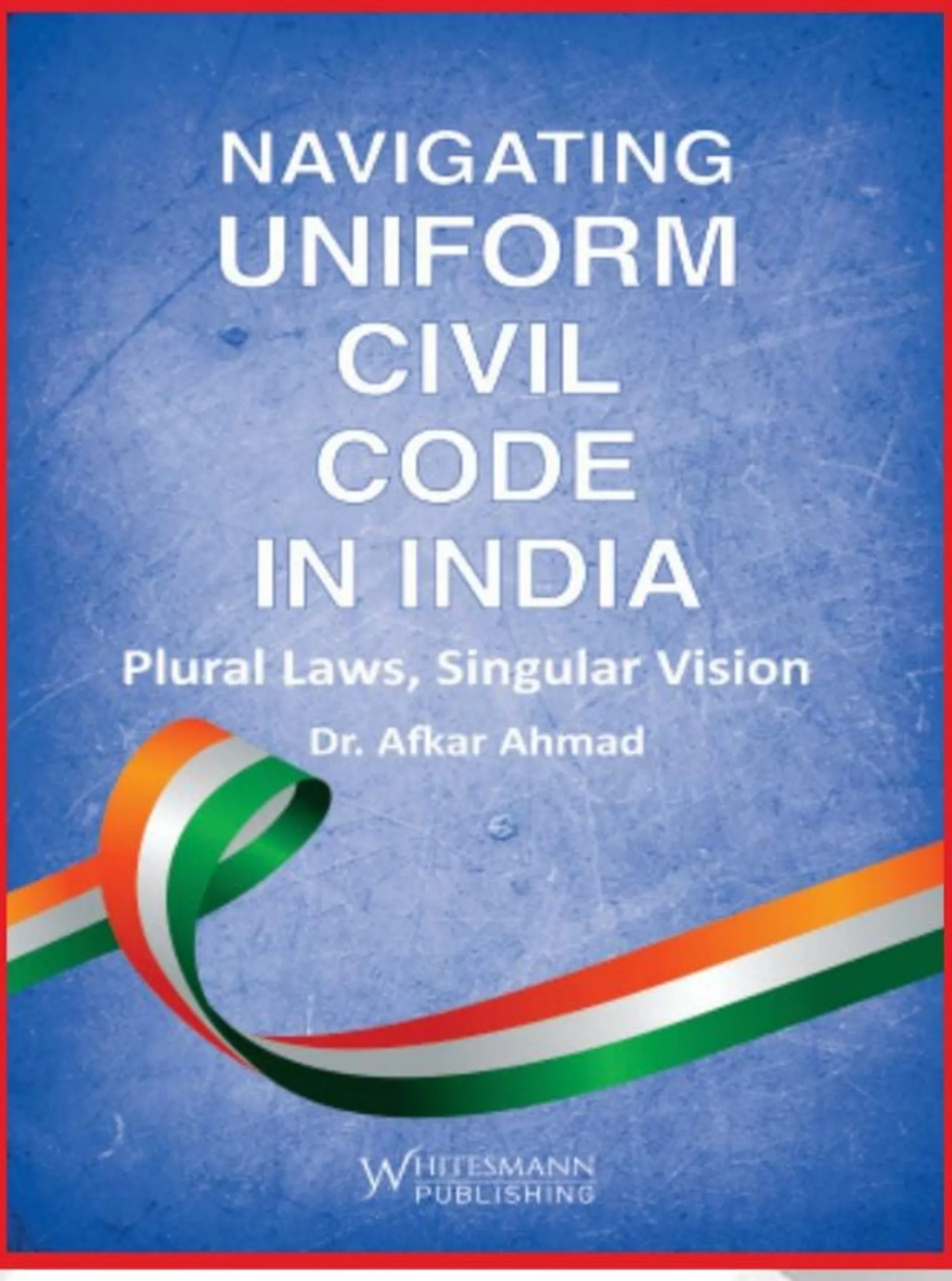
Navigating Uniform Civil Code in India offers an accessible yet rigorous roadmap through the contested terrain of personal-law reform. Bringing together expert essays and case analyses, the book begins with historical context and constitutional foundations (Article 44), then examines the jurisprudential role of the Supreme Court and High Courts in shaping UCC discourse. Subsequent sections assess substantive domains—marriage, divorce, inheritance, adoption, maintenance and guardianship—highlighting gendered impacts and contested practices. Comparative chapters draw on models from jurisdictions that have successfully harmonised personal law or preserved pluralism with unified rules, extracting practical lessons for India. The book also explores implementation pathways: phased or sectoral reforms, legislative drafting principles, institutional mechanisms, safeguards for minority rights, and consensus-building strategies. Where Uttarakhand’s state-level UCC and recent legislative moves have created a live laboratory for reform, the text situates practical experimentation within constitutional and policy constraints. Each chapter concludes with policy recommendations, drafting checklists and suggested safeguards to balance uniformity with respect for diversity. Ideal for lawmakers, legal practitioners, judges, civil-society actors and students, this volume bridges scholarship and practice to propose realistic, rights-centred ways forward for India’s UCC debate.


Reviews
There are no reviews yet.