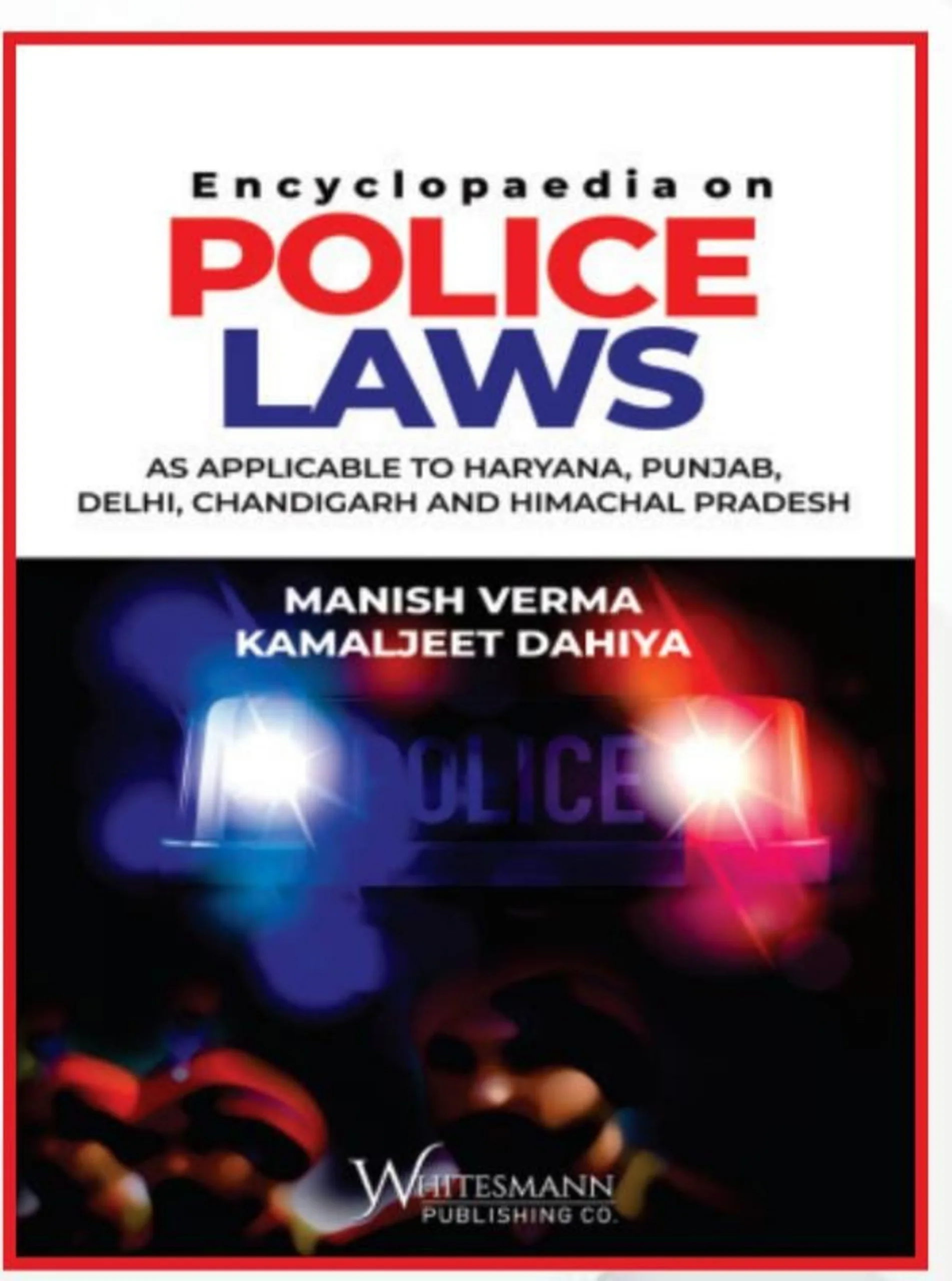
Encyclopedia on Police Laws provides an exhaustive, practical reference to the legal framework governing policing, investigation and accountability. Carefully organised by topic, the book begins with core statutory material (powers of arrest, search and seizure, detention, remand, FIR, charge-sheet procedures and relevant chapters of the criminal procedure code), followed by in-depth analysis of investigative practices—questioning, custodial interrogation, forensic procedures, chain-of-custody and seizure protocols. Dedicated chapters examine evidentiary rules applicable to police investigations, admissibility issues, confessions and electronic evidence. The encyclopedia addresses use-of-force standards, proportionality tests, crowd-control law, and the legal contours of surveillance and communications intercepts. It also covers internal police discipline, departmental enquiries, appeal routes and judicial oversight including habeas corpus and human-rights remedies. Each entry includes: statutory text excerpts, concise annotation, leading case summaries, practical checklists (FIR drafting, remand applications, evidence preservation), model templates, and a quick-reference flowchart for common procedures. Special sections focus on safeguarding vulnerable persons in custody, gender-sensitive investigation practices, and mechanisms for civilian oversight and complaint redressal. Designed for practitioners and officials who must navigate policing law daily, this encyclopedia blends doctrine, jurisprudence and hands-on tools to reduce procedural errors, protect rights and improve investigative quality.


Reviews
There are no reviews yet.