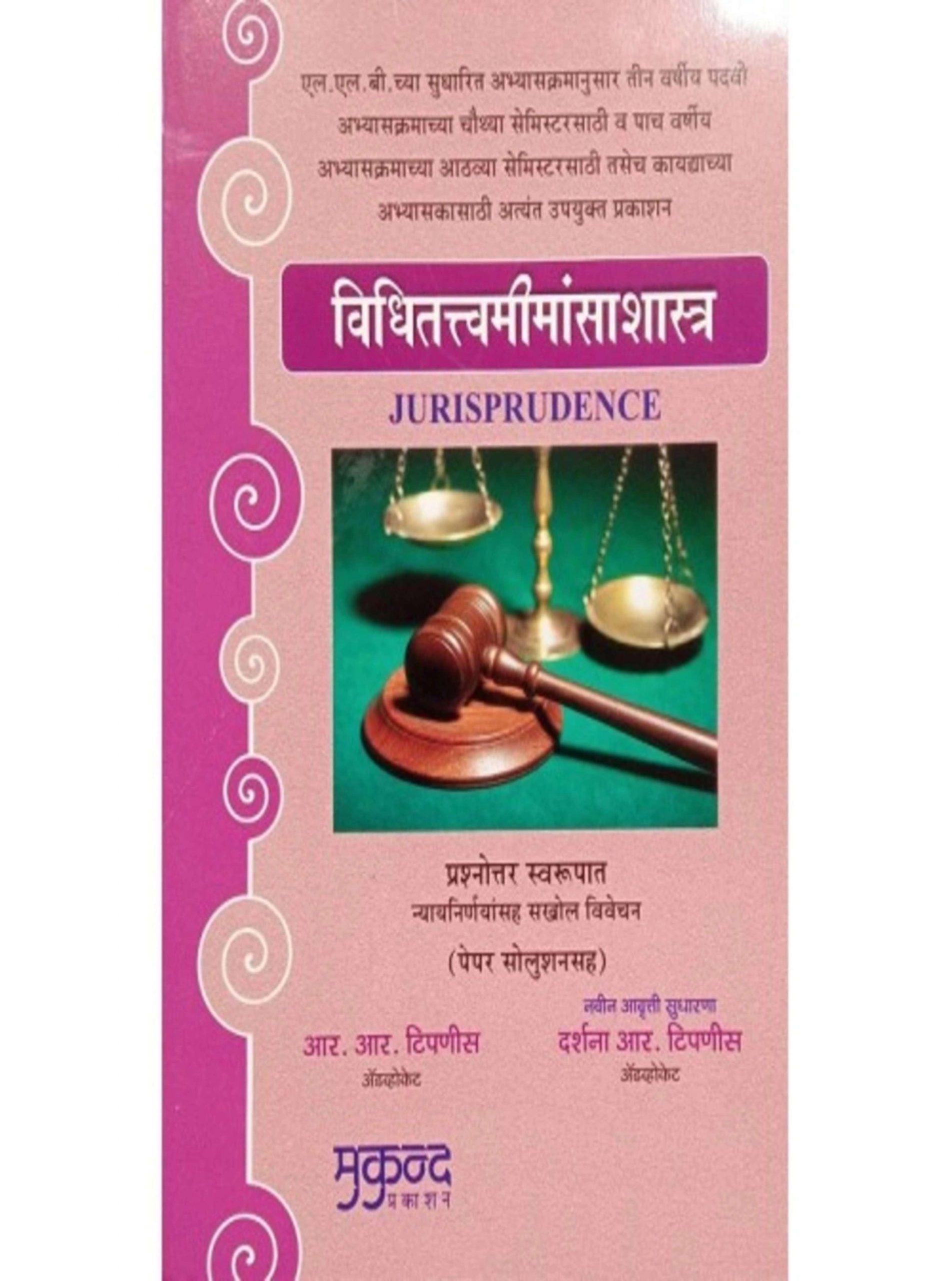
Jurisprudence is a clear, comprehensive guide to the philosophy and theory of law designed for law students, teachers and practicing lawyers who wish to understand the foundations of legal reasoning. The book traces classical and contemporary schools — from natural law and legal positivism to realism, sociological approaches, feminist critique, critical legal studies, and modern hermeneutic and comparative frameworks — providing definitions, historical context, and critical analysis. Each chapter includes concise summaries, illustrative case examples, discussion questions, and comparative notes that link theory to doctrinal practice and constitutional interpretation. Special sections address method (legal reasoning, precedent, statutory interpretation), the relationship between law and morality, foundations of rights, and current debates about law’s legitimacy and social impact. Written in reader-friendly language without sacrificing intellectual rigor, the book balances theory and application to help readers prepare for exams, classroom debate and practical legal work. Appendices contain a timeline of major jurisprudential milestones, recommended readings, and quick-reference glossaries. Whether used as a semester textbook, revision guide, or reference for scholarship, Jurisprudence equips readers with the conceptual tools to think critically about what law is, why it matters, and how it should be applied.


Reviews
There are no reviews yet.