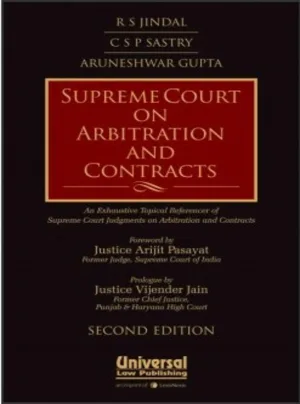
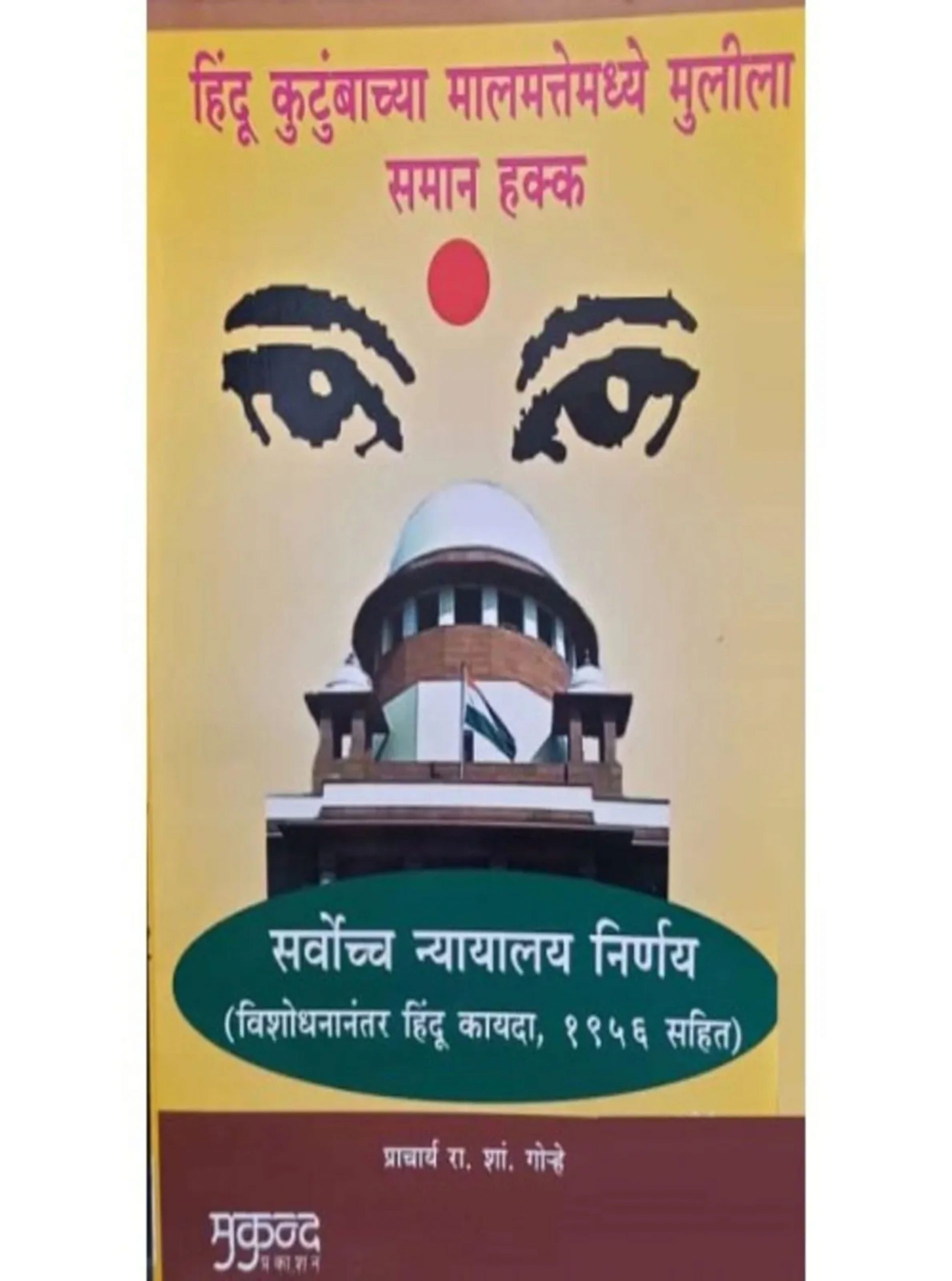
Supreme Court on Daughter’s Equal Rights to Hindu Family Property presents a complete and accessible analysis of the jurisprudence that has reshaped gender equality in Hindu succession law. Focusing on the Hindu Succession Act, 1956 and its transformative 2005 amendment, the book examines pivotal Supreme Court decisions that established daughters as equal coparceners in ancestral property. It includes detailed discussions on major cases such as Vineeta Sharma v. Rakesh Sharma, which clarified the retrospective nature of the 2005 amendment; Prakash v. Phulavati, where the Court discussed the applicability of rights; and Danamma v. Amar, which highlighted judicial inconsistencies subsequently resolved by later benches. The book explains critical concepts—coparcenary, survivorship, ancestral property, partition, notional partition, and rights accrued upon birth—making complex legal doctrines understandable. Each judgment is presented with summaries, ratio decidendi, practical implications, and procedural insights relevant to litigation and property planning. A major strength of this book is its blend of doctrine and practicality: it includes guidance for drafting pleadings, understanding share calculations, interpreting family partitions, and applying judgments to real-life disputes. Ideal for professionals and families alike, it is an indispensable resource for those seeking clarity on gender equality in Hindu property law.


Reviews
There are no reviews yet.